Canteen Tent

Be the first to rate
Documented product4

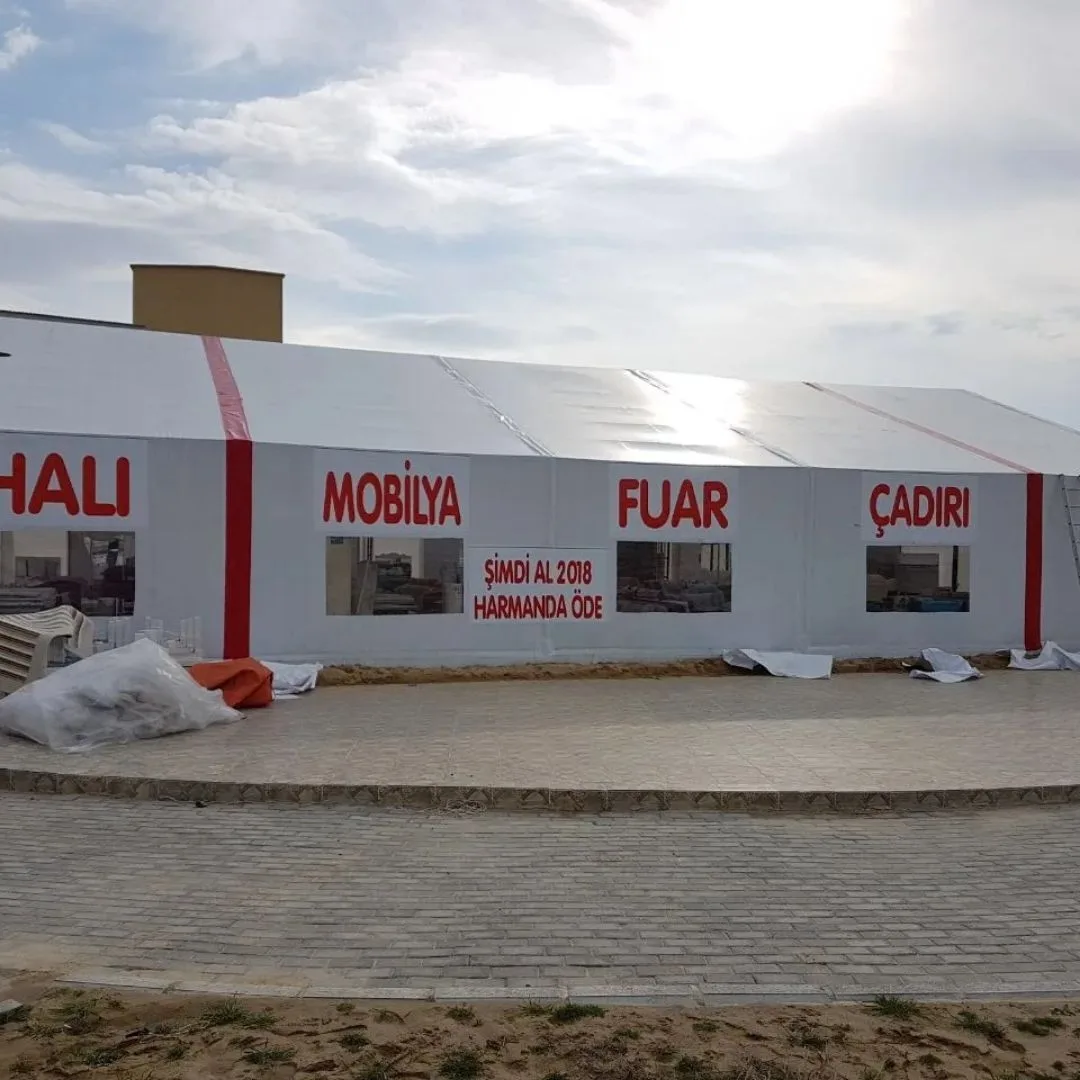
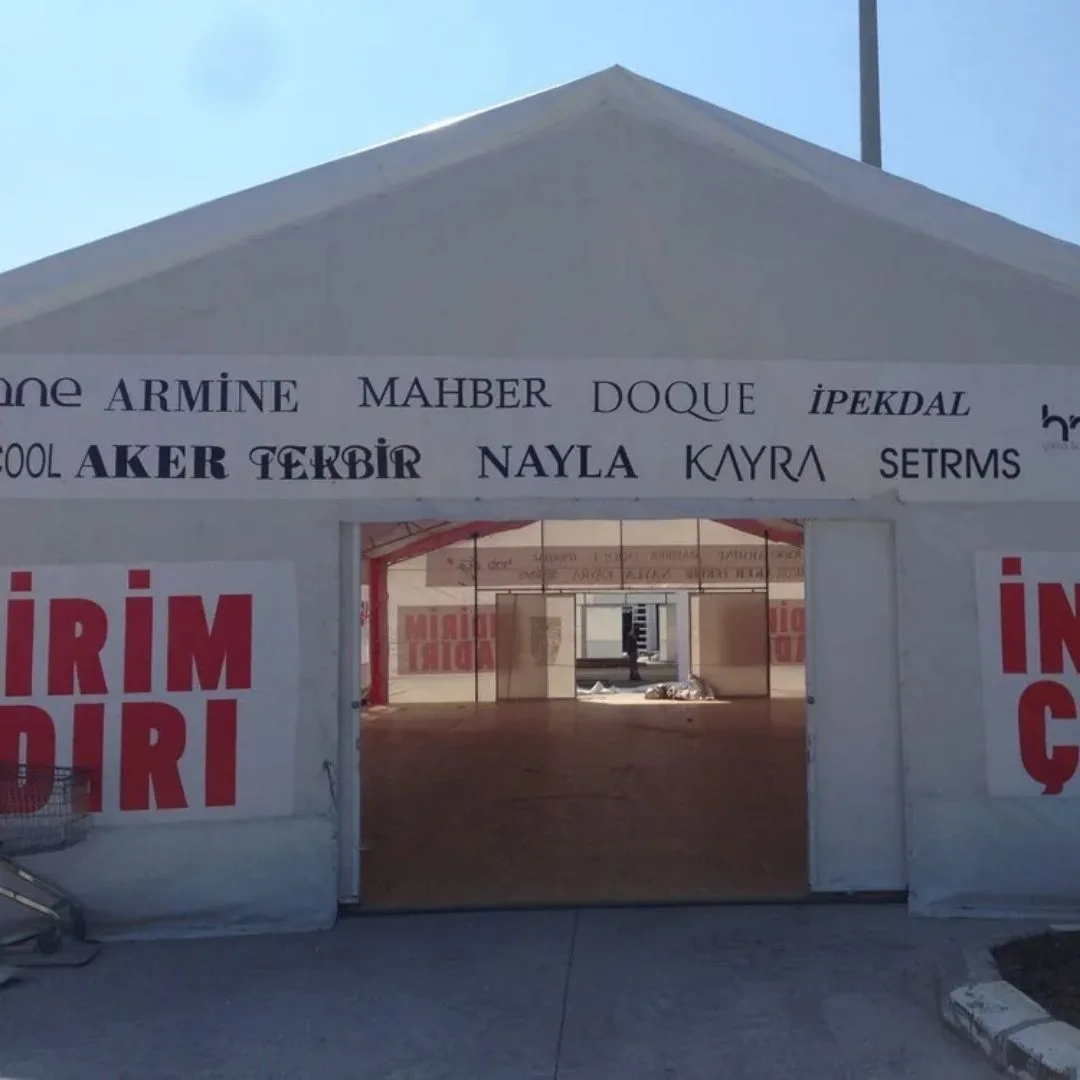
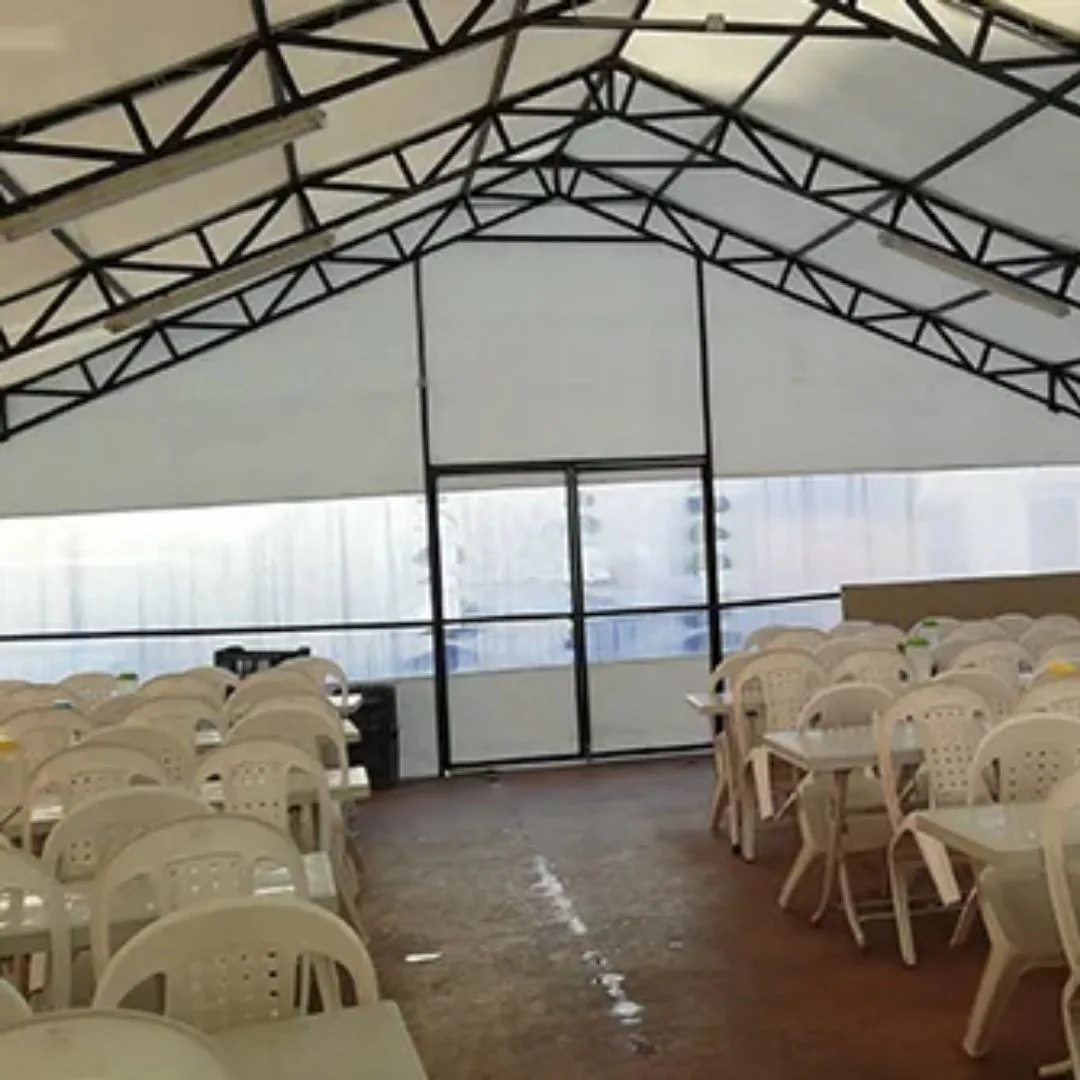
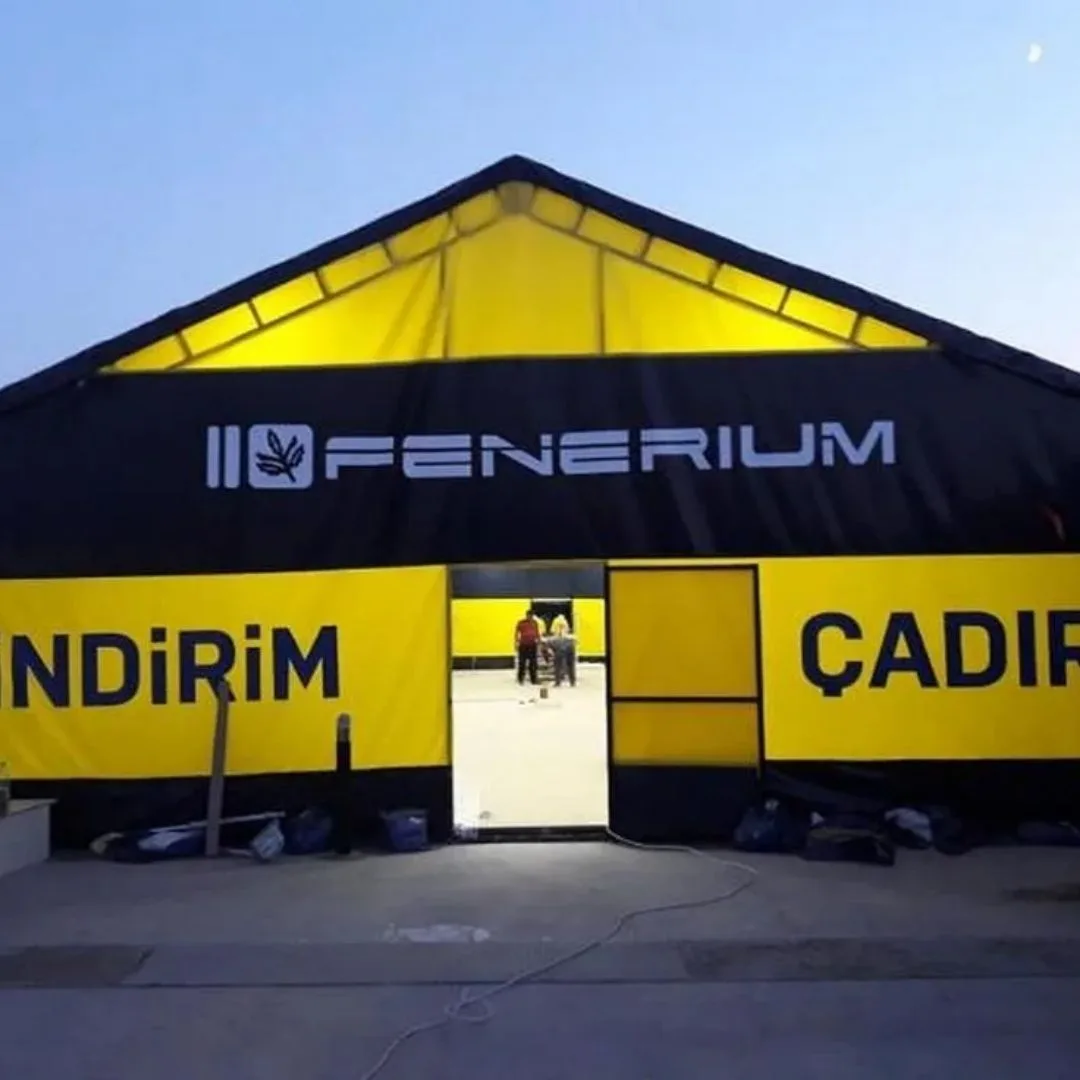
A canteen tent is used to set up a communal dining area at construction sites, factories, camps and disaster areas. Its frame is galvanised steel and its cover is wipe-clean PVC. The size is worked out from the daily number of users and the service layout.

Product description

A canteen tent at construction sites and factories

A canteen tent is a way to set up an enclosed area where staff can eat together without building a reinforced-concrete canteen. It is used most often on construction sites, on factory and production sites and in temporary workers' camps.

The structure is made of galvanised steel tube or profile and can be taken apart through modular connections. When the job is finished, the tent can be taken down and moved to another site. If you have other enclosed-space needs on the construction site, see our construction site tent page.

Four facts that set the size

We design canteen tents from the use, not from a standard size. These four facts set the size:

  1. The daily number of users and how many people eat at the same time
  2. The position of the serving line and the circulation areas
  3. The table and bench layout
  4. The entry and exit needs for vehicles and staff
The size of a canteen tent is set as much by the position of the serving line and the walkways as by the number of tables. It is easier to draw the layout at the start than to lengthen the tent later.

The cover and cleaning

The outer shell is UV-resistant, waterproof PVC membrane. Because its surface is smooth, it is cleaned by wiping, which makes the cleaning routine easier under heavy use. On request we use PVC fabric in class DIN 4102 B2 (normally flammable); the certificate is available on request.

Use in winter and summer

In cold regions the tent can be used with a heater. On request a thermally insulated double-layer cover is fitted. In hot regions, natural or mechanical ventilation is added to the project. We set the sections by the wind and snow load calculation for the region.

Installation steps

  1. The suitability of the ground is assessed
  2. The steel frame is assembled
  3. The PVC cover is tensioned
  4. The door, ventilation and interior layout are completed

The tent can be erected without a reinforced-concrete foundation. We described the ground options in our ground guide. The same structure can also be set up as an iftar tent during Ramadan, or as an emergency feeding area in a disaster zone.

Tell us the daily number of users and the installation site, and we will design the project and prepare a quote.
Product details

Technical Specifications

Structure Galvanised steel tube or profile, demountable modular connections
Covering UV-resistant, waterproof, wipe-clean PVC membrane
Insulation (optional) Thermally insulated double-layer cover
Ventilation Natural or mechanical, depending on the project
Size Designed for the number of users and the service layout
Structural calculation Based on wind and snow load, specific to the installation region
Fire class (optional) DIN 4102 B2 PVC fabric; certificate available on request
Price Given in a quote, depending on the project
Material The outer shell is UV-resistant, waterproof PVC membrane
Construction Galvanised steel frame, wipe-clean PVC cover

Documents and test reports

  • Document Manufacturer's document

    1100 dtex 650 g/m² PVC tarpaulin technical datasheet

    Values declared by the manufacturer for its 1100 dtex woven polyester, PVC-coated 650 g/m² (±15) tarpaulin: breaking strength 2100 N, tear strength 210 N (weft/warp), 10,000 mm water column, resistance from −30 to +70 °C, colour fastness 6–7, phthalates below 1000 ppm; width 150–320 cm.

    This document belongs to the manufacturer of the product we use.

    Method / standard
    TS EN ISO 1421 (breaking strength), TS EN ISO 4674-1 Method A (tear strength), TS EN ISO 105-B04 (colour fastness), EN 14372:2004 (phthalates)
    Validity
    No expiry
  • Test report Manufacturer's document

    DIN 4102-1 B2 flammability class test report (PVC tarpaulin, 280–1100 g/m²)

    In edge and surface ignition tests, the yellow PVC tarpaulin sample (280–1100 g/m²) declared by the manufacturer did not reach the flame reference line and produced no burning droplets. The material was classified as DIN 4102-1 B2 (result: Pass).

    This document belongs to the manufacturer of the product we use.

    Method / standard
    DIN 4102-1:1998 (sections 6.2.1 and 6.2.5, edge and surface ignition)
    Document no.
    2500066
    Issued
    15 August 2025
    Validity
    No expiry
  • Certificate Manufacturer's document

    E190 cold-rolled square section inspection certificate (EN 10204 3.1)

    Chemical analysis, tensile strength (332–366 N/mm²), yield and elongation values for batches of E190 grade cold-rolled square section (20x20x2 and 40x40x1.5 mm). The non-destructive testing result is 'OK'.

    This document belongs to the manufacturer of the product we use.

    Method / standard
    EN 10204 type 3.1; dimensional check TS EN 10305-3:2024
    Document no.
    00057026
    Issued
    25 December 2025
    Validity
    No expiry
  • Test report Manufacturer's document

    S235JRH steel box and pipe section factory test certificate (EN 10204 2.2)

    Chemical analysis and tensile/yield/elongation values for batches of S235JRH grade hot-rolled box section (40x20x1.5; 40x20x2; 60x40x2; 80x40x2 mm) and pipe (139.7x3; 219.1x3 mm). Tensile strength is 366–422 N/mm².

    This document belongs to the manufacturer of the product we use.

    Method / standard
    EN 10204 type 2.2; dimensional check TS EN 10219-1:2008
    Document no.
    01887931
    Issued
    24 December 2025
    Validity
    No expiry

Frequently Asked Questions

Can a canteen tent be used in winter?
Yes, with a heater. For cold regions, a thermally insulated double-layer cover can also be fitted.
For how many people can a canteen tent be made?
There is no standard size. We work out the size from the daily number of users, the table layout and the serving line.
Is a concrete floor essential?
A reinforced-concrete foundation is not required. The ground is assessed at the project stage and the fixing is chosen to suit it.
How is the cover cleaned?
The surface of the PVC cover is smooth and is cleaned by wiping.

Ask about this product

Fill in the form for sizes, prices and delivery; we will get back to you as soon as possible.

Your details are only used to respond to this request.

Reviews

There are no reviews for this product yet — be the first to write one.

Write a Review
Your rating:

Your review will be published after moderation.

Dry Çadır

Get a Quote

Tell us briefly what you need and we will get back to you with a quote.

Your details are only used to respond to this request. Privacy Notice